


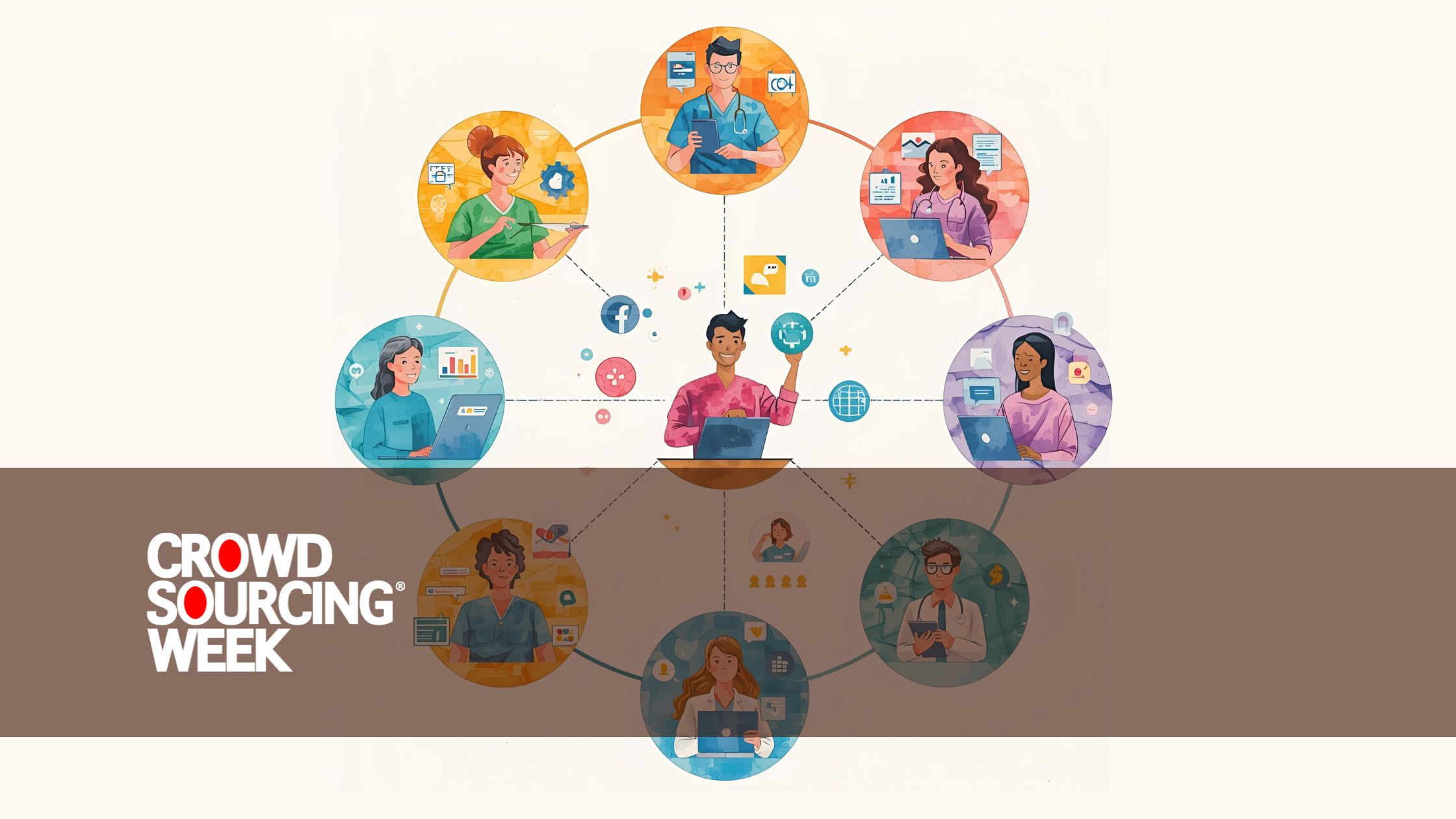
The healthcare industry has always been late to adopt new operational models. But something remarkable is happening: medical practices, hospitals, and healthcare systems are finally embracing what tech companies figured out years ago. The best talent doesn’t need to sit in your office to deliver exceptional results. Healthcare virtual assistants are here to stay.
This shift isn’t just about jumping on the remote work bandwagon. It’s a strategic response to a crisis that’s been building for decades. Healthcare administrative costs have spiraled to consume nearly 25% of total healthcare spending in the United States. That’s over $800 billion annually spent on paperwork, scheduling, billing, and coordination tasks that pull medical professionals away from patient care.
Meanwhile, healthcare burnout has reached epidemic proportions, with over 60% of physicians reporting symptoms. Nurses are leaving the profession in droves. Office managers are overwhelmed. The traditional hiring model simply isn’t scaling with the demands of modern healthcare delivery.
Enter the distributed workforce model. By leveraging remote professionals who specialize in healthcare administration, forward-thinking organizations are slashing costs, improving efficiency, and giving their clinical teams the gift they need most: time to actually practice medicine.
The Perfect Storm: Why Healthcare Needs This Now
Healthcare administration has become absurdly complex. A physician today spends nearly twice as much time on paperwork and electronic health records as they do seeing patients. Read that again. For every hour of patient care, two hours go to administrative tasks.
This isn’t sustainable, and everyone knows it. But the traditional solution of hiring more in-house staff creates its own problems. Healthcare organizations are already operating on razor-thin margins. Adding full-time employees means salaries, benefits, payroll taxes, office space, equipment, and ongoing management overhead. For many practices, especially smaller ones, that math simply doesn’t work.
The staffing shortage compounds the problem. Finding qualified medical administrative professionals is increasingly difficult. Even when you find good candidates, training them takes months. Turnover is high because the work is demanding and compensation often doesn’t match the complexity. It’s a vicious cycle that leaves practices perpetually understaffed and overworked.
Regulatory requirements keep multiplying. HIPAA compliance, insurance verification protocols, prior authorization processes, coding updates, and quality reporting mandates all demand specialized knowledge and significant time investment. Each new requirement adds to the administrative burden without adding any value to patient care.
Geographic limitations restrict the talent pool further. If you’re running a practice in a smaller city or rural area, your options for qualified administrative staff are limited to whoever happens to live within commuting distance. That’s an artificial constraint that made sense 20 years ago but is completely unnecessary today.

The Distributed Workforce Solution
Here’s where the crowdsourcing revolution meets healthcare reality. Organizations are discovering they can access a global pool of experienced healthcare administrative professionals who work remotely, understand the industry’s unique requirements, and deliver consistent results without the overhead of traditional employment.
This model works because most healthcare administrative tasks don’t require physical presence. Appointment scheduling, insurance verification, prior authorizations, medical record coordination, billing support, patient communications, referral management, and data entry can all be handled effectively from anywhere with secure internet access and proper systems.
The key difference from general virtual assistance is specialization. Healthcare administration requires specific knowledge: medical terminology, HIPAA compliance, insurance processes, healthcare software platforms, and clinical workflows. Generic remote assistants learning healthcare on the fly create more problems than they solve.
That’s why dedicated healthcare virtual assistants have emerged to meet this specific need. These specialized solutions provide remote professionals who already understand healthcare operations, have experience with medical practice management software, know how to navigate insurance requirements, and can integrate seamlessly with clinical teams. The difference between using a specialized healthcare-focused service versus a general virtual assistant is like the difference between a trained medical coder and someone who just learned what CPT codes are last week.
The distributed model also provides flexibility that traditional hiring can’t match. Healthcare workloads fluctuate. Flu season creates surges. Summer months slow down. Prior authorization volumes vary. With remote support, you can scale capacity up or down based on actual need rather than maintaining fixed overhead regardless of workload.
Cost efficiency is dramatic. Without the burden of employee benefits, payroll taxes, office space, equipment, and management infrastructure, organizations typically see 40-60% cost savings compared to equivalent full-time hires. That’s not marginal improvement; that’s transformative for practice economics.
Implementation: Making the Transition Smooth
The shift to healthcare virtual assistants requires thoughtful implementation, but it’s far less complicated than most healthcare leaders imagine. The organizations succeeding with this approach follow some common patterns.
Technology infrastructure matters, but most practices already have what they need. Cloud-based practice management systems, secure communication platforms, and VPN access for EHR systems create the technical foundation. The missing piece is usually just configuring access appropriately and ensuring proper security protocols.
Communication rhythms need to be established early. Daily check-ins during the initial ramp-up period, weekly syncs once things are running smoothly, and clear protocols for urgent issues ensure alignment without creating meeting overhead. The goal is asynchronous collaboration where possible, synchronous communication when needed.
Security and compliance can’t be afterthoughts. Remote team members need proper training on HIPAA requirements, secure communication protocols, and data handling procedures. Business Associate Agreements, access controls, and regular compliance audits are non-negotiable. The good news is that properly implemented remote access is often more secure than the lax practices that sometimes develop in physical offices.
Measuring results drives continuous improvement. Track time saved, error rates, patient satisfaction scores, staff burnout indicators, and cost per transaction. These metrics not only demonstrate ROI but also reveal opportunities for further optimization.
The Results: Beyond Cost Savings
The financial benefits are compelling enough on their own, but organizations implementing distributed workforce models consistently report additional unexpected benefits that transform their operations.
Provider satisfaction increases dramatically. When physicians and clinicians can focus on patient care instead of paperwork, they report higher job satisfaction, reduced burnout symptoms, and renewed enthusiasm for their work. Some practices report that implementing strong administrative support was more effective at reducing provider burnout than any wellness program they’d tried.
Patient experience improves across multiple dimensions. Response times get faster because someone is actually available to answer calls and messages promptly. Scheduling becomes smoother because there’s a dedicated focus on coordination. Billing questions get resolved quickly. The entire patient journey becomes less frustrating when administrative functions work well.
Scalability becomes realistic. Growing a practice traditionally meant exponentially growing overhead and management complexity. With distributed workforce models, scaling up to see more patients or adding new providers doesn’t require proportional increases in fixed costs or physical space.
Taking Action: Where to Start
If you’re running a healthcare organization and feeling the administrative squeeze, the question isn’t whether to explore distributed workforce solutions but how quickly you can implement healthcare virtual assistants effectively.
Start by assessing your current administrative burden honestly. Track where time goes for a few weeks. Identify the highest-volume, most time-consuming tasks that don’t require physical presence. Those are your prime candidates for remote delegation.
Plan for a transition period. Even with experienced remote professionals, there’s a ramp-up phase while they learn your specific systems and preferences. Set realistic expectations, invest time in initial training and documentation, and give it 4-6 weeks before judging results.
Communicate clearly with your team. Some staff members might feel threatened by bringing in remote support. Frame it correctly: this isn’t about replacing people, it’s about removing the soul-crushing administrative burden that’s making everyone miserable. Remote support makes in-office jobs better, not obsolete.

The Bottom Line
The distributed workforce revolution has arrived in healthcare, and using healthcare virtual assistants is solving problems that traditional hiring models never could. Lower costs, greater flexibility, access to specialized talent, and the ability to scale efficiently are transforming how healthcare organizations operate.
But the real impact of virtual health assistants goes beyond operational efficiency. This shift is giving healthcare professionals their time back, reducing burnout, improving patient experiences, and making healthcare delivery sustainable again.
Your clinical expertise is irreplaceable. Your administrative tasks aren’t. The sooner you make that distinction and act on it, the sooner you’ll rediscover why you went into healthcare in the first place: to help patients, not to drown in paperwork.
The question isn’t whether distributed workforce models work in healthcare. They do, and the evidence is overwhelming. The question is whether you’ll adopt them proactively while you have the energy and resources to implement them well, or reactively when burnout and economics force your hand.
The choice is yours. But the clock is ticking, and your competition is already moving.
BOLD Awards VII
Boldest HealthTech is one of the 22 award categories in the seventh edition of the annual BOLD Awards for digital industries. Boldest HealthTech recognizes innovative health technology solutions, tools, and/or services to solve health and healthcare problems, provide compassionate care, and build healthier communities.
Entries in all categories will close on December 31, 2025. The first round of deciding finalists is a public vote in January 2026 – so mobilise your followers and crowds. A panel of international experts will then judge the entries in their specialist area to reach a winner according to the key criteria. All finalists will be invited to a glittering gala dinner award ceremony in Barcelona on 27th March 2026, for a unique opportunity to showcase their work and connect with global founders, innovators and disruptors within numerous digital industry sectors.
Enter now, if you haven’t already.



0 Comments